





















On September 8, 2025, Gen-Z activists overthrew the government in Nepal following mass protests regarding social media bans, political stability, and ongoing corruption across the nation.
According to Fox News and CBS, prior to these massive protests, a youth group called “Hami Nepal” was organized by thirty-thousand young Nepalis across the country. In the nation’s capital Kathmandu, their protests quickly turned violent following the police’s involvement, with the deaths of at least 19 Nepalis. Their groups would quickly rally mass support with news rapidly spreading across the nation, increasing from six thousand members to over a hundred thousand members.
Despite the ban from the government on social media apps such as Instagram, X, and TikTok, people began using VPN services to continue using these services to spread awareness of the various issues occurring within Nepal. After 3 days of planning among these passionate Gen-Z activists, many marches took place with thousands of people creating posters, with phrases like, “Shut down corruption, not social media,” and various other statements, demonstrating their discontent with the government.
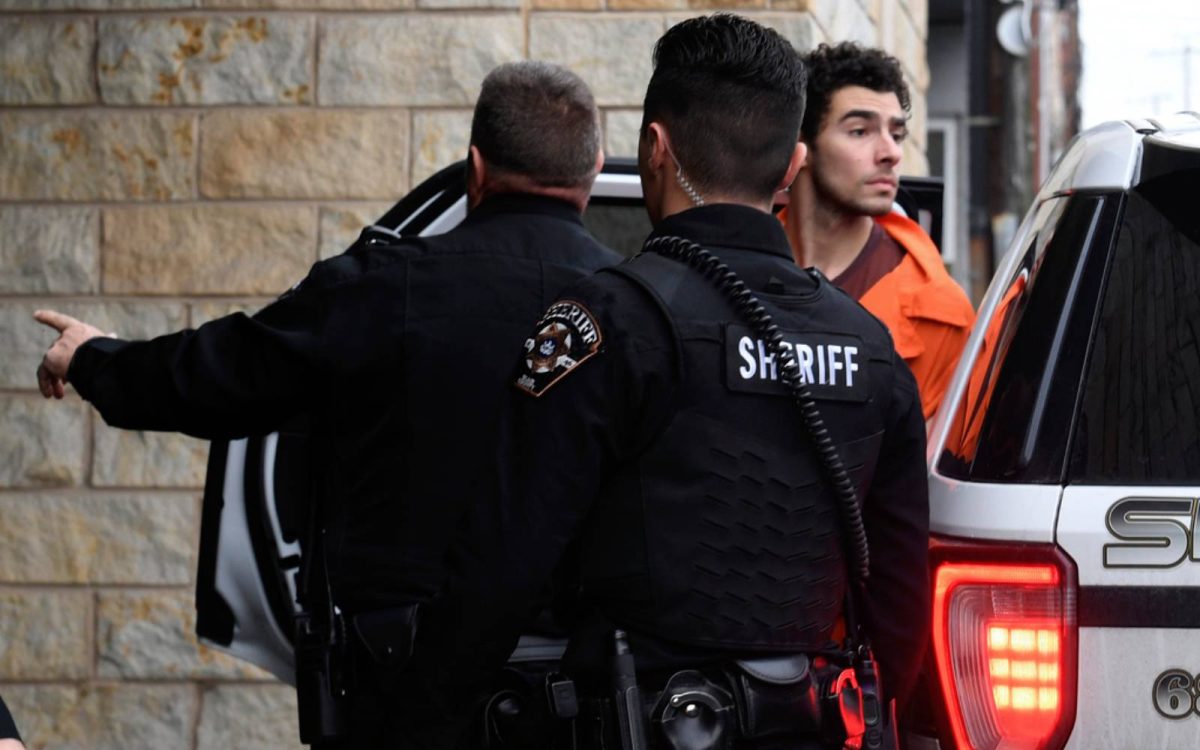
The police would ultimately become involved with this situation, using ammunition against these protestors.
Despite the ban being lifted on these social media platforms, these activists vowed to not rest until the parliament fully disintegrated. Ultimately, the parliament was surrounded by violence and brutality across all of Nepal, which weakened their control over the nation.
Across Western Nepal, approximately 900+ inmates were released by violent protestors who stormed two prisons.

According to CBS News, local reporters claim, “These protests are not just about the ban of social media in the nation, but also about trust, corruption, and a generation that refuses to stay silent. For them, digital freedom is personal freedom.”
According to BBC News, the total destruction caused by these activists could cost the nation up to 3.2 trillion rupees, converting to $21.3 billion dollars from the collapse of approximately 300+ buildings, many of which being government offices.
For daily Nepali citizens, 20 percent struggle with unemployment due to a lack of proper education and job market offered by the government. In the nation’s current economic state, most of the money that families use are from financial support given by their relatives outside the country who are performing drastically better.
Within 17 years of the nation being under the influence of a monarchy, Nepal has had 17 various governments that took control, without any leaders being successful in completing their entire 5 year term. Between the various political parties found in Nepal, the communist and democratic parties continuously fight over control within the government.
These leaders would continue to fight for power, despite the dissatisfaction from the citizens. Following the protests, local reporters interviewed citizens and many reported, “A lot of people did share to feel good seeing politicians face consequences for their actions.”
Due to consistent political issues, Nepal has struggled financially with a GDP per capital under $1,500, ranking them as the second poorest country within South Asia.
Preceding the paramount protests that occurred within the nation, young Nepalis slowly became more discontent of the government, calling them out for the prominent inequality between the upper and middle classes. Politician’s families would often be seen showing off their money on social media accounts, while many Nepali families were unable to provide enough food and shelter to survive. During the various protests and attacks against the government, politicians’ families would often be targeted and tens of deaths have occurred on the day of the protests, which includes babies.
Mrs. Romano, a social studies teacher, says “Governments should watch out on what they do, as Gen-Z activists are especially concerned about their rights. Limiting people’s voices is very likely to stir up madness in any country.”

Later, local media reported the house of former Prime Minister Sharma Oli to be set on fire by protestors, resulting in a minor injury for his wife. The following day, he decided to step down from his position in the government due to the consistent chaos occurring under his regime.
On September 13, the protestors formed a Discord server named “Youth Against Corruption,” where a meeting was hosted among 10,000 members in a virtual election.
The poll would be submitted online, and it was ultimately determined that Sushila Karki would be best suited as interim prime minister for Nepal.
Mrs. Romano says, “This seems to be a very interesting time, and we can only wait to see how this government plays out.”