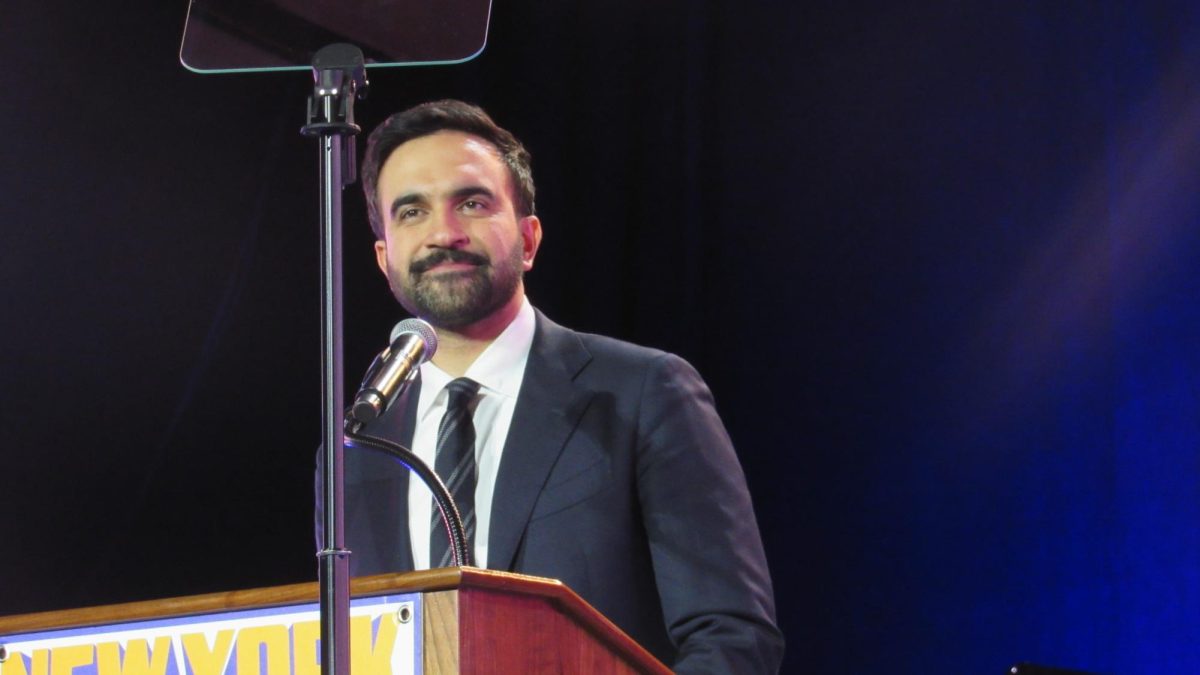



















Jack Schlossberg recently announced his campaign for Congress, and although politicians and media outlets have mixed perspectives, they all share a common thread: his strong media presence and famous family background. Schlossberg is John F. Kennedy’s grandson, and like his grandfather, he has developed a reputation for his good looks and charming personality. Both have had major effects on their political image. Society often places attractive people on a pedestal, finding them more captivating and influential, but why does this matter so much in politics?
Jack Schlossberg comes from one of the United States’ most iconic families, the Kennedys. He is the son of Caroline Kennedy and Edwin Schlossberg, and the grandson of President John F. Kennedy and Jacqueline Kennedy Onassis. Schlossberg is a political commentator and lawyer who studied at both Harvard Law School and Yale University. He is well known for his political writing for Vogue, his widely shared Vogue photoshoot, and his active social media presence. His posts and photos highlight his looks and playful personality, which have attracted significant attention and a growing fanbase.
Schlossberg is running, as a Democrat, for the New York City seat in congress, which is currently held by Representative Jerry Nadler. He says he is running because he believes the public deserves stronger leadership. On Instagram, he wrote, “We deserve better, and we can do better, and it starts with the Democratic Party winning back control of the House of Representatives.”
ABC News reports that he hopes to serve his community and push back against policies from President Trump and Robert F. Kennedy Jr., who is now the United States Secretary of Health and Human Services. He has criticized both of them repeatedly. He has also pointed to the growing cost of living crisis, especially its effects on child care, health care, and education.
In an interview with Vogue, Schlossberg said, “I am inspired by my family’s legacy of public service. I take that very seriously, and I want to contribute in my own way. I have big dreams, but I also know that I am trying to make a positive impact today.”
He also emphasized his personal connection to the district in an interview with NBC News, saying, “I am running for Congress to represent my home, New York’s 12th congressional district, where I was born and raised, where I took the bus to school every single day from one side of the district to the other.”
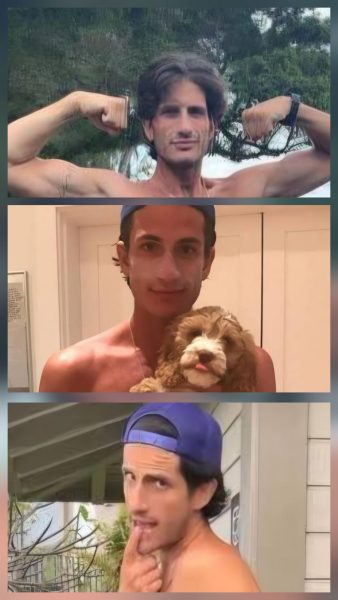
Schlossberg has used social media in many ways over the years, including silly videos, political commentary, and short skits. Some videos show him shirtless, in wigs or costumes, or acting in exaggerated and humorous ways. This has shaped how he is viewed by both the public and politicians. However, his social media content does more than entertain. He has used his platform to endorse Kamala Harris in 2024 and to share his political views. He has also made several skits about political figures, including former First Lady Ivanka Trump.
He recently addressed his posts in The New York Post, saying, “I think some people might be confused by some of the posts, but they have to understand that there is a reason behind all of them.” People have been objectifying people in my family forever, and all I am doing is holding up a mirror to the cultural and political attacks that are aimed at us and showing that these people are real people too.”
Schlossberg has jokingly called himself a “silly goose” on social media, but not everyone accepts that image. The New York Post reports that many politicians argue he lacks direction and should not be taken seriously. Critics, especially from right-leaning outlets, have labeled him a “nepo baby,” “shameless,” and “work-shy,” and some have even speculated about his sexuality.
The general public has responded very differently. Many people react positively, focusing on his attractiveness and personality. An article in Queerty* by Henry Giardina highlights this enthusiasm: “The girls, gays, and theys were beyond thrilled to learn that Schlossberg was running for office in New York.”
Social media is full of edits of Schlossberg that receive hundreds of thousands or even a million likes. This type of admiration mirrors the public fascination with JFK, whose attractiveness was also a popular focus
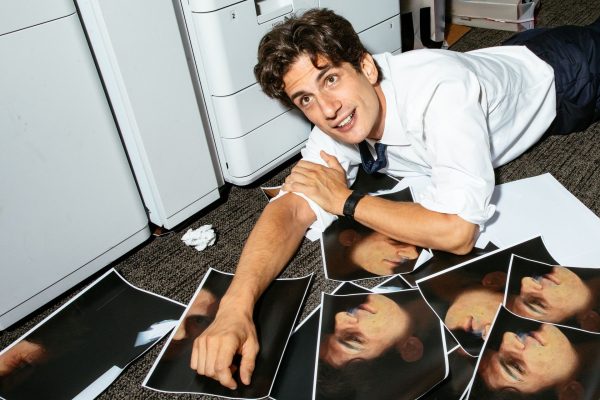
Many find Schlossberg attractive, but what effect does this have? Psychological research consistently shows that attractive individuals are often judged more positively.
An infamous 1972 experiment titled, “What Is Beautiful Is Good,” found that people rated as more attractive were also seen as more honest, kind, intelligent, and confident. They were also expected to be happier and more successful.
Psychology Today describes a related idea known as the halo effect. This bias forms after one positive impression, such as good looks, and shapes how a person is viewed overall. Applied to Schlossberg, people might notice his attractiveness or Ivy League education and then assume he is smarter, more capable, or more interesting, which further influences how he is perceived.
To understand how this might influence Schlossberg’s political future, it helps to look at how it influenced JFK. Both JFK and Jacqueline Kennedy used style, charisma, and glamor to build a polished public image that captivated Americans. The Conversation notes that their charm and sophistication made them resemble celebrities rather than traditional politicians, turning many citizens into fans instead of simple voters.
This appeal even influenced election outcomes. History.com notes that JFK was favored by voters who watched him on television, while those who listened to the debates on the radio preferred President Nixon. The visual impression, including JFK’s youth, attractiveness, and confidence, played a significant role. He also used his healthy and energetic appearance to hide the fact that he was dealing with Addison’s disease.

Schlossberg may be able to use his attractiveness in a similar way to expand his following, especially among younger voters who usually have low turnout. The halo effect may also shape how voters view his competence and trustworthiness. This is especially important when running for the House of Representatives, which is the branch of government designed to be closest to the public.
These effects will likely show up during his upcoming campaign.
Although his legacy, attractiveness, and media presence will all play major roles in determining whether Schlossberg gets elected, his ultimate goal is to be a politician who genuinely serves the people.
In his video announcement, he stated, “I’m not running because I have all the answers to our problems. I’m running because the people of New York do. I want to listen to your struggles, hear your stories, amplify your voice, and go to Washington to execute on your behalf.”