




















In a world where you are being watched from every angle possible, when do you truly get to be yourself? As Valentine’s Day approaches, social media turns into an emotional rollercoaster of dread, loneliness, and happiness. For teenagers specifically, this holiday can bring out the best and worst in them. But why does it matter so much? Are all teenagers truly desperate for the perfect teenage romance or is the reason more sinister than we think?
FHHS Psychology teacher Ms. Anastasiadis provided a window into this psyche, suggesting that the obsession with “the perfect teenage romance” is often related to the psychological concept of egocentrism. “Young ones are often very egocentric. Everything revolves around them, however I don’t feel we ever kind of outgrow that.” The brain isn’t fully developed, and these egocentric mentalities are a norm amongst adolescents. Teenagers are especially obsessed with Valentine’s Day. “It’s a normative influence where you want to fit in and you want to display what others might commend you on.”

The “sinister” element lies in the commodification of intimacy. “You should not have one day of the year where you are feeling love, or showing love,” Ms. Anastasiadis said.
The holiday is highly commercialized. It’s a day where love and intimacy are combatted with the need to look perfect. Valentine’s Day has turned into a paradox of loving your partner and proving how much you love them in front of everyone. The entire concept is flawed as it only heightens isolation and insecurities among students.
Emry, a junior at FHHS observes how the Valentine’s Day celebrations play out in real-time. According to Emry, “It all feels so commercial.”
She further explains, “I do like the thought that somebody went out of their way to get something grand for you, but in a way it feels like the bare minimum because if they really knew you they’d get you something more meaningful instead of a mass printed card.”
While the concept of Valentine’s Day seems romantic, in this digital age it emphasizes performance more than intimacy.
But is “Main Character Syndrome” worth the attention? For Emry, “It’s the opposite of what I want, if I am being honest.”
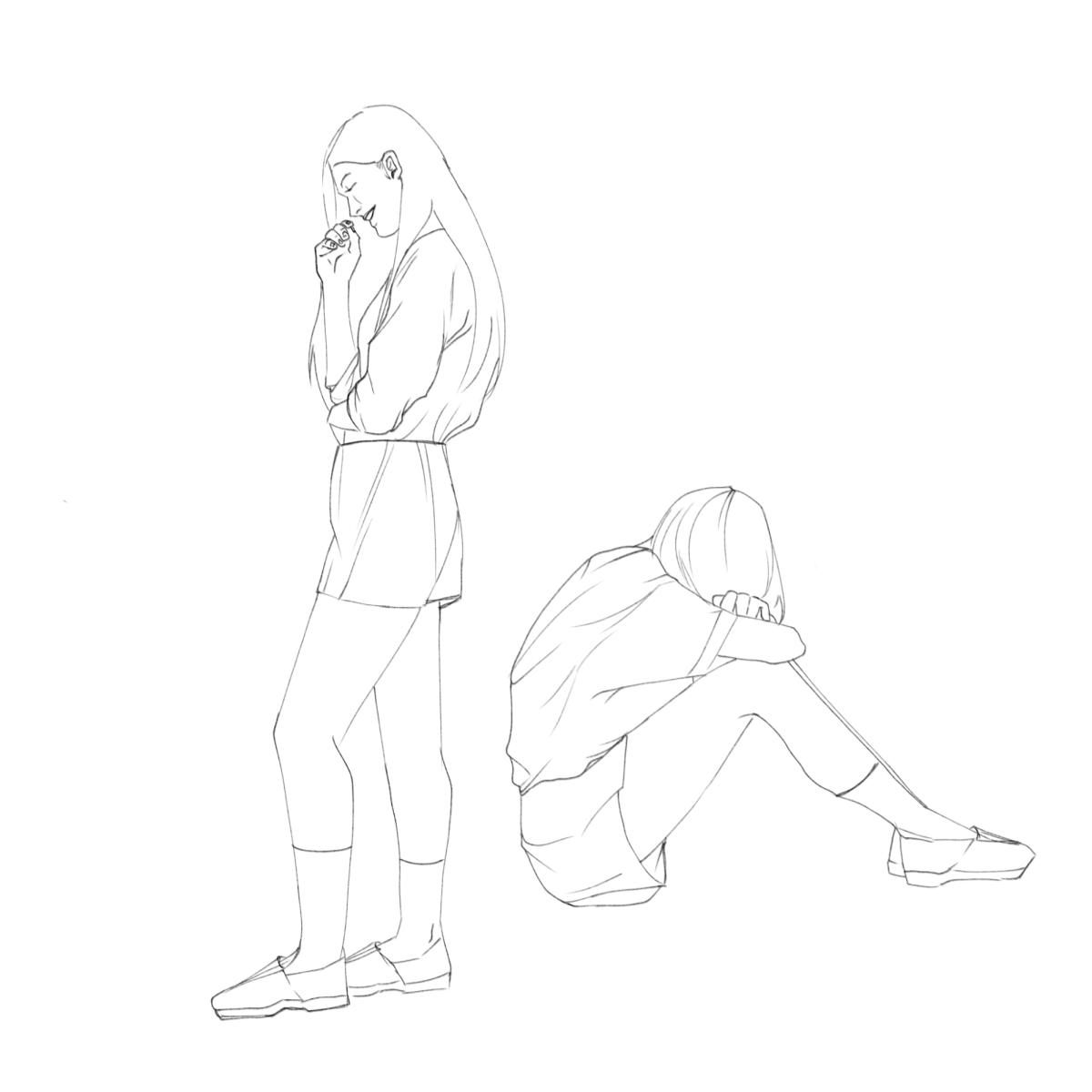
Comically she added, “You know how like in anime there are some poorly drawn background characters? I would honestly like to be one of those.” She represents a huge group of people who don’t feel like their authentic selves in the spotlight. This exemplifies the idea that the commercialization of a holiday can ultimately ruin its meaning and turn it into a competition.

Not everyone has the same idea about love, holidays, and grand gestures. Even if the media convinces the youth that love only exists in forms of grandiose gestures, nothing can compete with actual understanding. The social media posts depicting huge bouquets, teddy bears, and chocolates are only cute if you can afford it. The luxury of being the main character is entirely dependent on your financial status.
The narrative that someone has to receive a huge bouquet or luxury gifts can cause anxiety among teenagers who don’t have the funds to afford it. If you like someone, give them something meaningful, instead of buying what you see online just because it’s being promoted.
You can always be the “main character“ of your story without performing deliberately on social media to portray something as if it’s better than it truly is in reality.