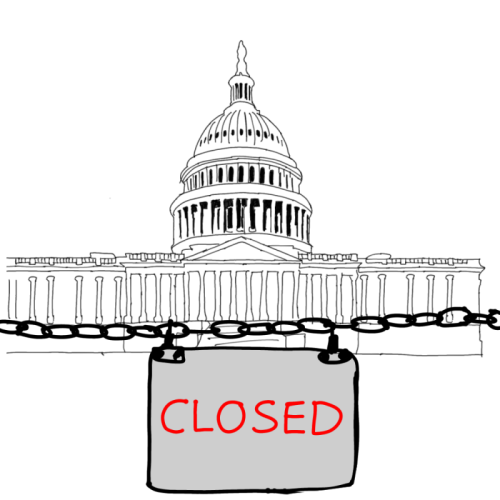


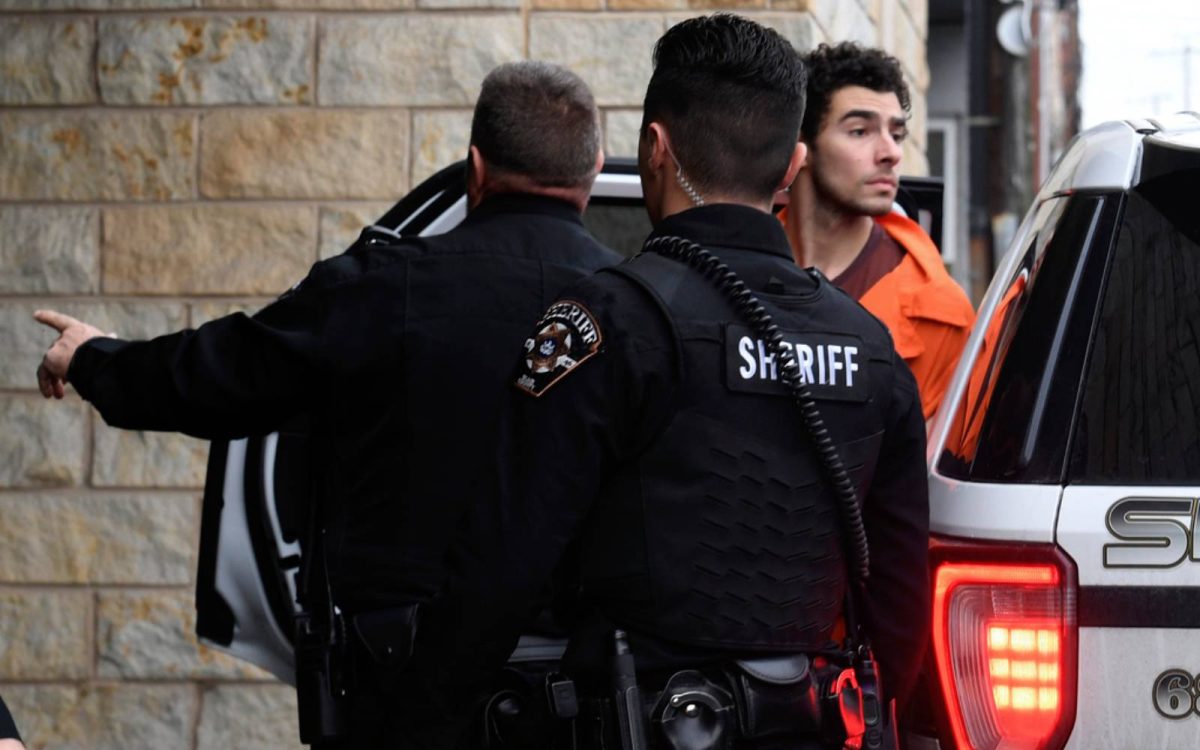










The recent global affairs centering Venezuela and the encampment of Nicolas Maduro—former president of Venezuela, and the first lady—Celia Flores the events have shocked many. They were successfully captured by the U.S. Special Forces to be taken to New York to face criminal charges in which they were accused of several conspiracies including narco-terrorism conspiracy, conspiracy to import cocaine and weapon offences. Following their encampment, there have been many mixed reactions from current and past Venezuelan citizens. Additionally there has been some confusion within the media especially due to misinformation surrounding how this impacts the average U.S. citizen.
Venezuela has been historically known for their large possession of the infamous black gold—oil—and with leadership being assumed by Delcy Rodríguez and the installation of a new acting government many changes with energy markets, foreign policy and immigration will affect the U.S. economy.
Marco Rubio, Secretary of State, clarified in a press statement that major U.S. concerns that lead to the encampment of Maduro from U.S. forces stemmed from his alleged leadership of a designated narco-terrorist organization—Cartel de Los Soles, which is allegedly responsible for major flow of trafficked drugs into the U.S. and Europe. Additionally, alleged violations of Democracy in Venezuela with efforts to rig the Venezuelan presidential election by the Maduro Regime lead to massive outrage. “Maduro is not the President of Venezuela and his regime is not the legitimate government.”- Marco Rubio.
After their encampment, Nicolas Maduro and his wife pleaded innocence under oath at their first court appearance on Jan, 5, despite current evidence. “I’m innocent. I’m not guilty. I am a decent man,—I am still president of my country.”-Nicolas Maduro—translated in a New York Court case. As the case continues on as of Feb. 13, where Maduro and Celia are still under custody of U.S. law enforcement officials as they face the charges levied upon them.
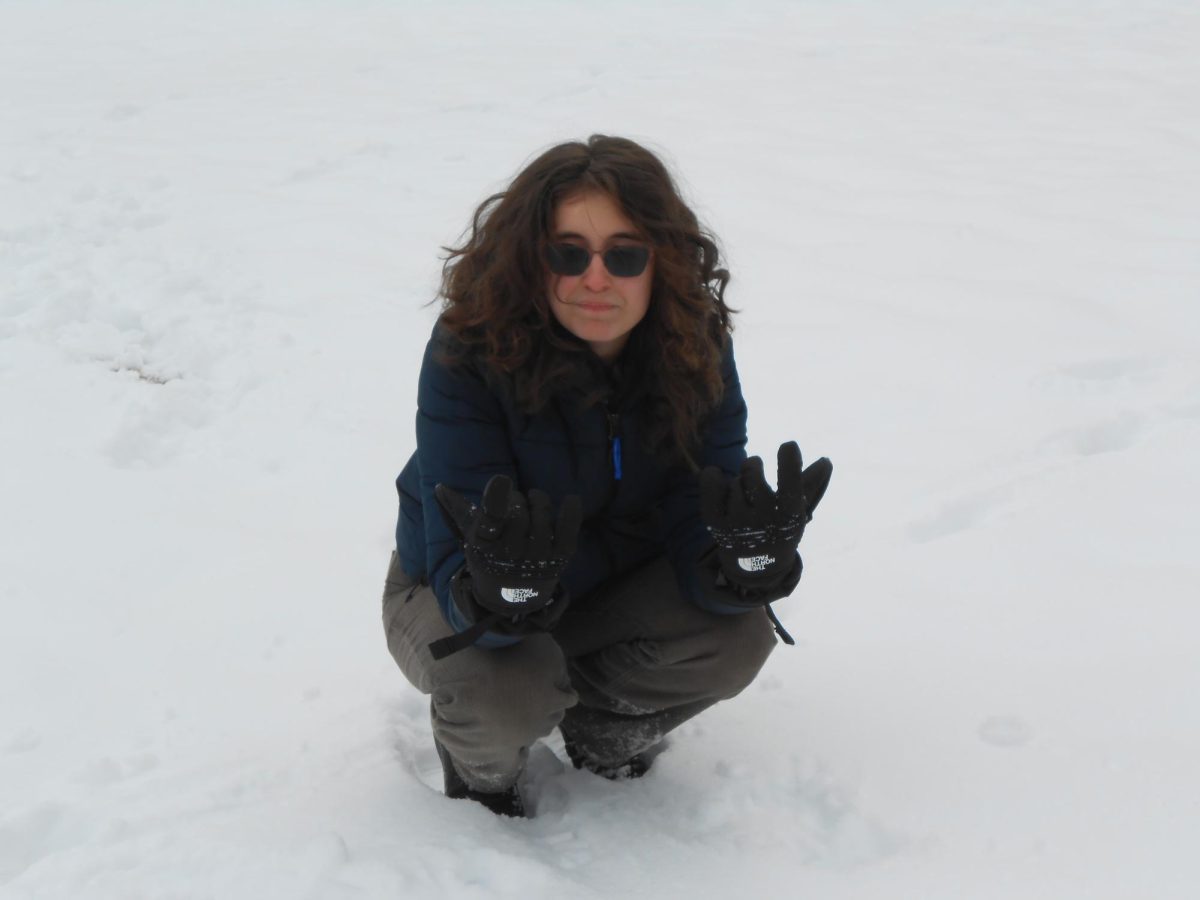
Many reactions from Venezuelans have varied. Emily Vaamonde Beria, FHHS Junior in the Law Academy and ex-Venezuelan citizen, shares her and her family’s initial reaction on Maduro’s encampment after finding out about the events from family who still live in the country of Venezuela. She was born in the country and attended school there during her formative years to later on leave the country and move to Guyana where she lived for —years until she moved to New York and enrolled in Forest Hill High school for her sophomore year.
“My experiences with the country itself, I would say, money was becoming a big thing, inflation was one of the biggest problems, and safety. My family owned a front shop business, one thing I’ve heard my father say is that having these, neighborhood robbers, or, we call them ‘Malandros’. So you have to pay them to stay away from your family. So before anything became too escalated, my family left and moved to Guyana.”- Emily Vaamonde Beria.

The humanitarian concerns within Venezuela have been ongoing for years now; according to the U.S. Department of State there have been more than over 5 million immigrants from Venezuela in search of better living conditions, these humanitarian conditions contain mainly food scarcity. “The World Food Program reports that 59% of households in Venezuela don’t have enough income to buy enough food.—Venezuelans lost an average of 24 pounds in 2017.”-U.S. Department of State
“When I was in Venezuela, I could see, as well as when I was away. The culture was kind of decreasing, especially because our carnival was canceled at the time because we couldn’t fund it.” – Emily Vaamonde Beria
The culture of Venezuela has unfortunately been impacted due to the economic issues. Venezuelans have reported to have and influences from the Maduro regime that are still prevalent today.