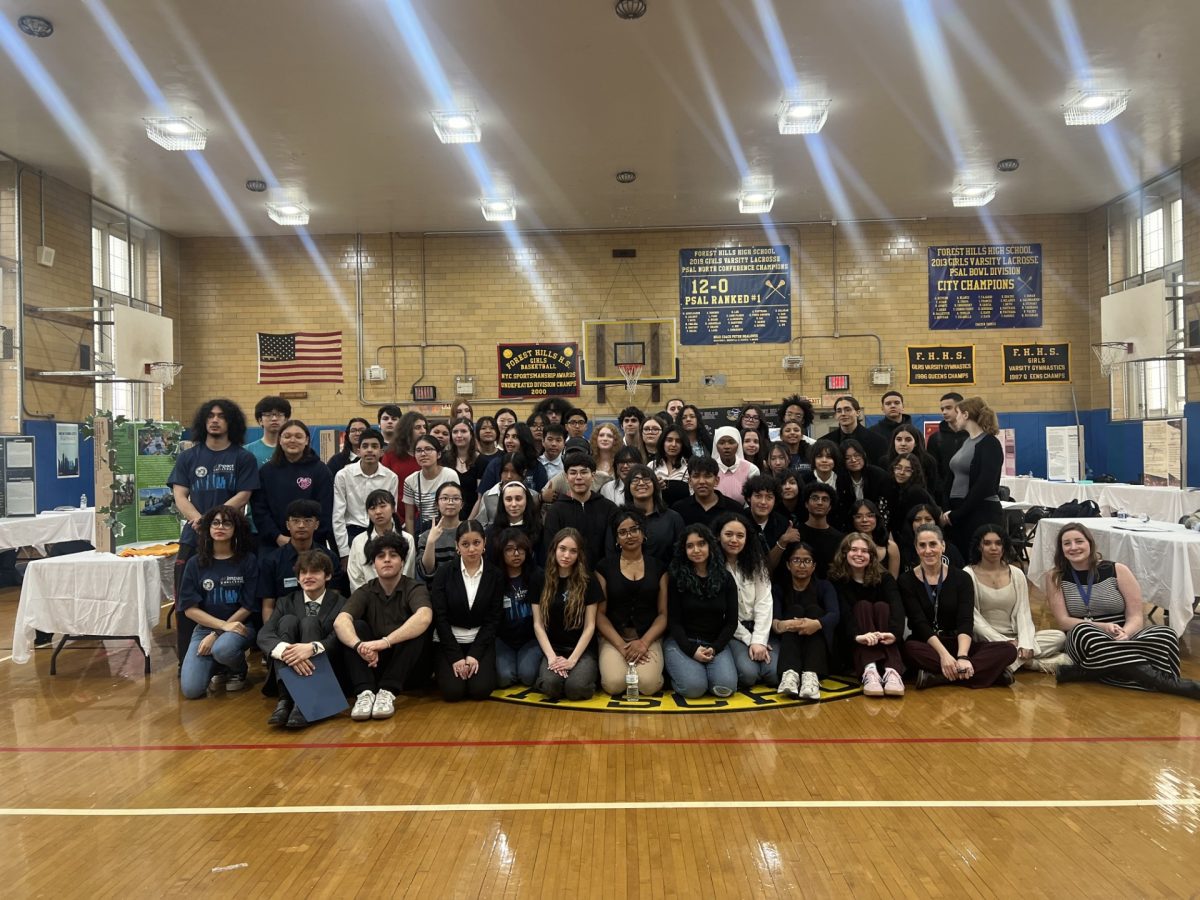
Austin Street—the place that many FHHS students go to hang out, shop, and eat food. From Ascan Avenue to Yellowstone Boulevard, it’s a buzzing commercial zone. Over the last few years, the street has seen the decline of local markets and the rise of big-name chain stores.
Raising Cane’s, Chick-fil-A, Just Salad, and Sweetgreen have made their home along Austin Street, and soon Wonder and Panda Express will have made their way as well. These stores center around 71st Ave/Continental Avenue. When stores like these move into Forest Hills, small businesses tend to leave.
What people think:
In an anonymous poll, the FHHS student body was asked about what they think about the current Austin Street. 90.9% of the students who responded said that they go to Austin Street to hang out, shop, and/or get food. Of that, 20% of students went to Austin Street every day, and 30% went a few times a week. When asked whether they like the new stores, 40% said they like only a few, while 45% said they like all the stores. 30% of students believe that the big-name stores took away from Austin Street, while 35% said it didn’t affect it.
Pedro Rodriguez, founder of Neighbors for a Safer Austin Street, said, “I do think that, like, what’s changing is that all the smaller businesses are getting pushed out and replaced with things like, you know, bubble tea -I love bubble tea- bubble tea, weed shops are now happening.” Pedro noticed the rise of small businesses getting pushed. He says Forest Hills has always been filled with big stores, but now smaller stores are in more danger.
Why is Austin Street so popular?
71st Avenue is the path that provides the most optimal access to the Forest Hills Stadium, a concert venue with artists like Chappell Roan, Shawn Mendes, Lorde, and other pop artists. This lineup makes it easy for shops along 71st Avenue and Austin Street to make a profit off of the remaining concertgoers.
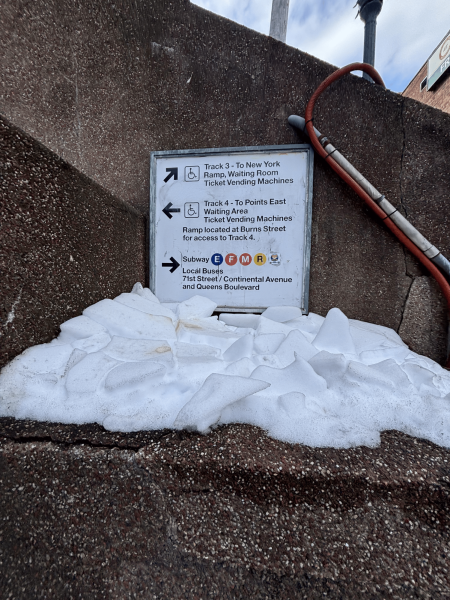
Pedro said, “Not just a business, of course, but it’s also just a transit hub. You have the Long Island Railroad, you have multiple buses, including some Express buses. You have the local buses, like the Q60, and then you have the subway, so the E and the F are Express, and then the rest are local. So you essentially just have a lot of transit in one location.”
Pedro also mentioned how the Forest Hills area is very densely populated. Most buildings along Queens Boulevard are apartment-style buildings with many residents, making Austin Street a hub.
Rise in Closures
Ms. Curtin, a science teacher at FHHS, isn’t unfamiliar with the business side of Austin Street, as she has owned establishments on Austin Street before. Over the course of Ms. Curtin’s ten years on Austin Street, the rate of small business closing increased. According to Ms. Curtin, one reason is that large businesses can charge less for the same product compared to small businesses. That price difference makes the larger business more attractive to consumers.
Why are small businesses drying up?
Rent is very expensive. According to Change in NYC Storefront Rents, 2019 – 2022 | ANHD, the average monthly rent per square foot was $4 in 2022. Multiply that number by the site’s square foot and you’ll get the average monthly rent. However, that number is only an average, and business owners in Forest Hills would add on all the facts from above, making rent too much for most small businesses.
Ms. Curtin said that over her ten years at Austin Public, her rent was raised an average of 2% per year.
There is also the COVID cost as well. Many small businesses could not afford to remain open during the Covid Pandemic and were permanently closed. Many of those business plots now belong to big chain restaurants.
Ms. Curtin says that COVID-19 itself is only half of the reason for the closures. The other half is when the landlords continued to raise rent costs.
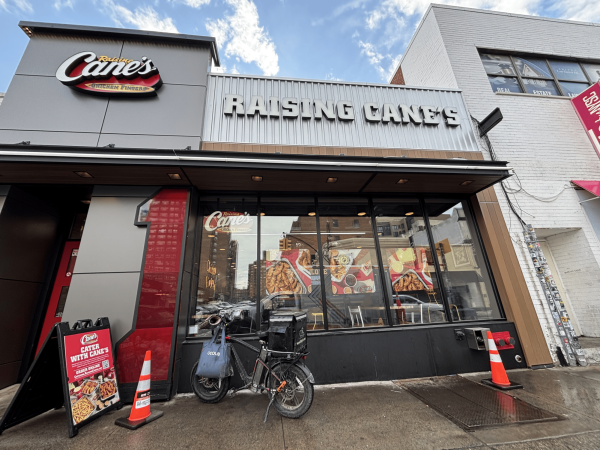
It seems that the largest reason for local stores getting pushed out of Austin Street is the rent being too high for them to remain open.
Pedro explains that rent hikes have no limit. “There is no like, rent stabilization for commercial leases. So, you know, your landlord can just hike up your rent, which they want once your lease is up, which means that all the small businesses get pushed out.”