























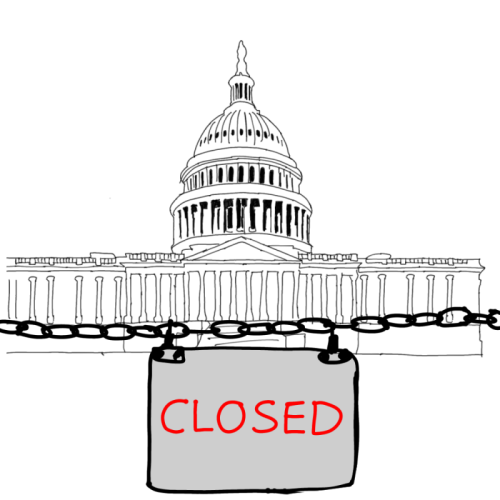
The U.S. recently experienced its longest government shutdown, from Oct. 1, 2025 to Nov. 12, 2025. It began when the House of Representatives could not pass a funding bill on time. The shutdown ended after 43 days, when President Trump signed Bill H.R.5371.
What is a government shutdown?
A government shutdown occurs when the government is not being funded by Congress because the President and/or Congress are unable to agree on a spending bill. This can be due to many factors, such as differing policies and beliefs on what is the best course of action.
In this shutdown, the main argument was over an “extension of expiring tax credits that make health insurance cheaper for millions of Americans.” This argument was mainly pushed by Democrats in the Senate, as the original bill had passed the House.
This started the shutdown that is now known as the longest shutdown in U.S. history.
What happened during the shutdown?
After the shutdown started, government agencies began to go into shutdown mode. This includes having 730,000 federal employees work without pay. 670,000 employees were furloughed and not working. In total, 1.4 million employees were affected and missed paychecks. Also, during the shutdown, many aid programs, such as the Supplemental Nutrition Assistance Program
(SNAP), were shut down. According to Congressman John Larso, SNAP is the government organization responsible for providing low-income citizens and children with access to healthy food and food education.
President Trump announced that SNAP benefits would lapse on Nov. 1. After this announcement, a judge stepped in and ordered the administration to release the contingency funds for SNAP.
The administration responded by trying to appeal the order, according to the National Public Radio (NPR).
SNAP only received funding after the shutdown ended. Currently, SNAP is being funded under rules prior to 2014. This allows for more stores and businesses to qualify for SNAP as it reduces the requirement for said businesses, according to Actions – H.R.5371
A word from Congresswoman Meng, 6th District of NY
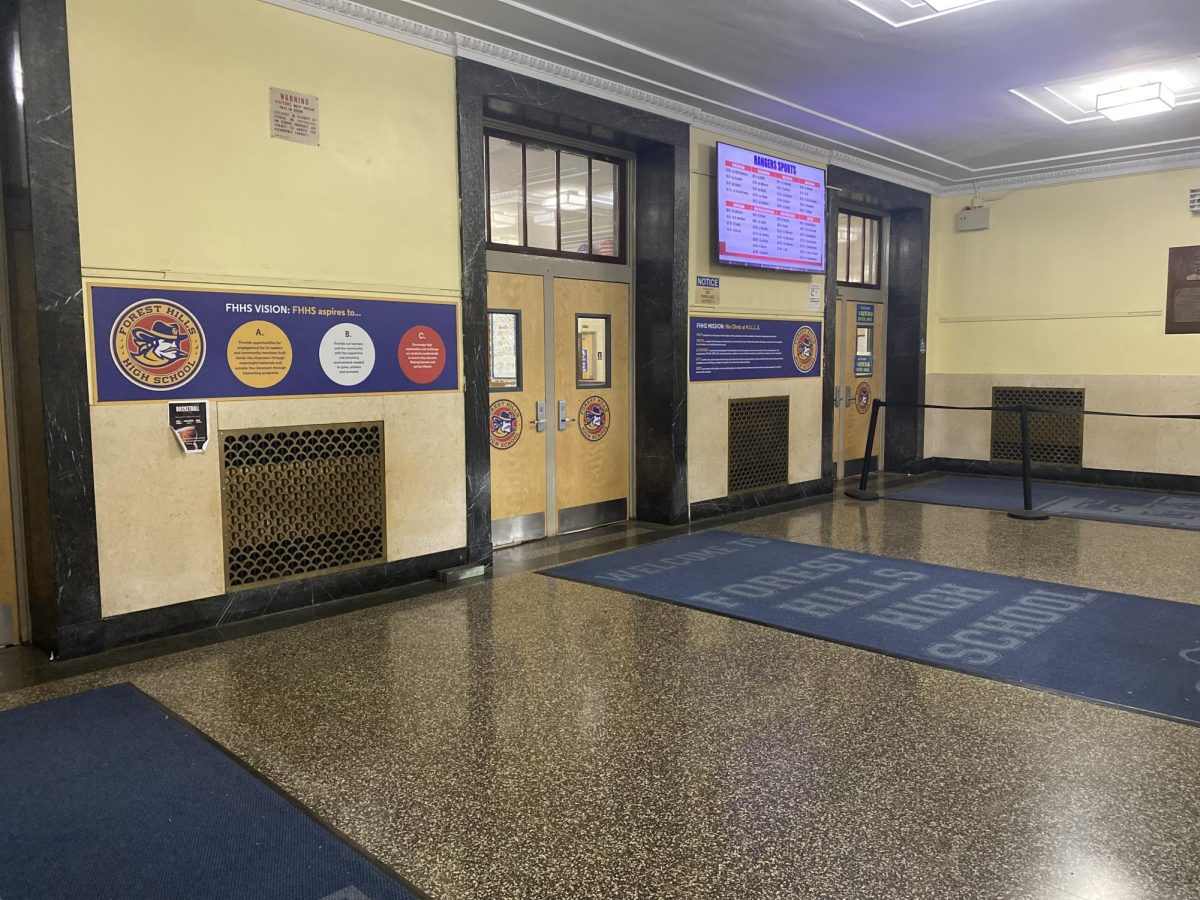
Congresswoman Meng, Representative of the Forest Hills community shared her perspective on the government shutdown.
“Before and throughout the government shutdown, which began on Oct. 1, I was in Washington, DC, with my fellow House Democrats ready to pass a bill that funded the government and saved health care. Unfortunately, my Republican colleagues who currently hold the majority in Congress were not willing to work across the aisle with us. As a result, the government remained shut down for 43 days — the longest shutdown in our nation’s history. Right now, our country is experiencing a health care crisis. The GOP’s Big, Ugly Bill has unleashed the deepest Medicaid cuts in history and set off a wave of hospital closures. Now tax credits that help working families afford their health insurance are about to expire at the end of the year. If Republicans allow that to happen, health care will become even more expensive. Although the government has reopened, Congressional Republicans still have yet to extend these critical health insurance credits. During the shutdown, families relying on SNAP benefits faced even greater food insecurity because the Trump Administration refused to fund benefits, even though it had the full legal authority to do so. This left many without full benefits until the government reopened. SNAP has never gone unfunded during a shutdown before, and it should never happen again. Between health care and food assistance, this shutdown hurt families and teens alike—those missing paychecks, worrying about groceries, or losing access to care. I’ll continue fighting to make food and health care affordable, because no teen should have to wonder where their next meal is coming from or if they will be able to see a doctor when they’re sick.”
Meng has stated that she will continue to fight to improve the lives of New Yorkers.
New funding agreement: What’s in it?
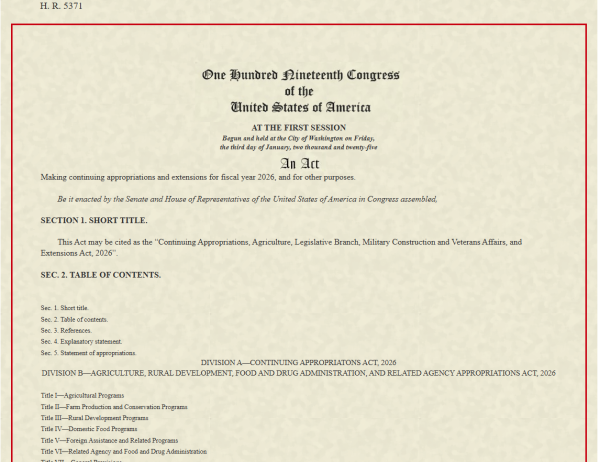
The funding agreement signed by the president is the bill that ends the shutdown. It provides short-term and long-term funding for government agencies.
The long-term funding is provided for programs/agencies: The Department of Agriculture, Rural Development, Food and Drug Administration (FDA), and related agencies (like SNAP), the Legislative Branch, and Military Construction, Veterans Affairs, and related agencies.
Any other programs, such as the Environmental Protection Agency (EPA), are only temporarily funded until Jan. 30, 2026.
What does this mean?
All programs that are only temporarily funded will not receive funding after Jan. 30 unless Congress can pass another funding bill.
How did this affect people?
Answers to a poll conducted on Reddit’s r/foodstamps subreddit display how people were affected by SNAP not being funded. Results show those impacted by the lack of SNAP funding as feeling lots of stress and anxiety. Commenters also mentioned the physical issues that came with cheap food, including the large impact on food pantries as they now more people are in need of food. User u/SeagullHawk mentioned losing eyesight, and user u/Dolanburgh mentioned getting sick as well. Other commenters mentioned storing food in order not to go hungry.
The Goverment shutdown affected the lives of many people across the country. It posed a severe threat to the safey and well being of all people in the United States. Will this be the last one?