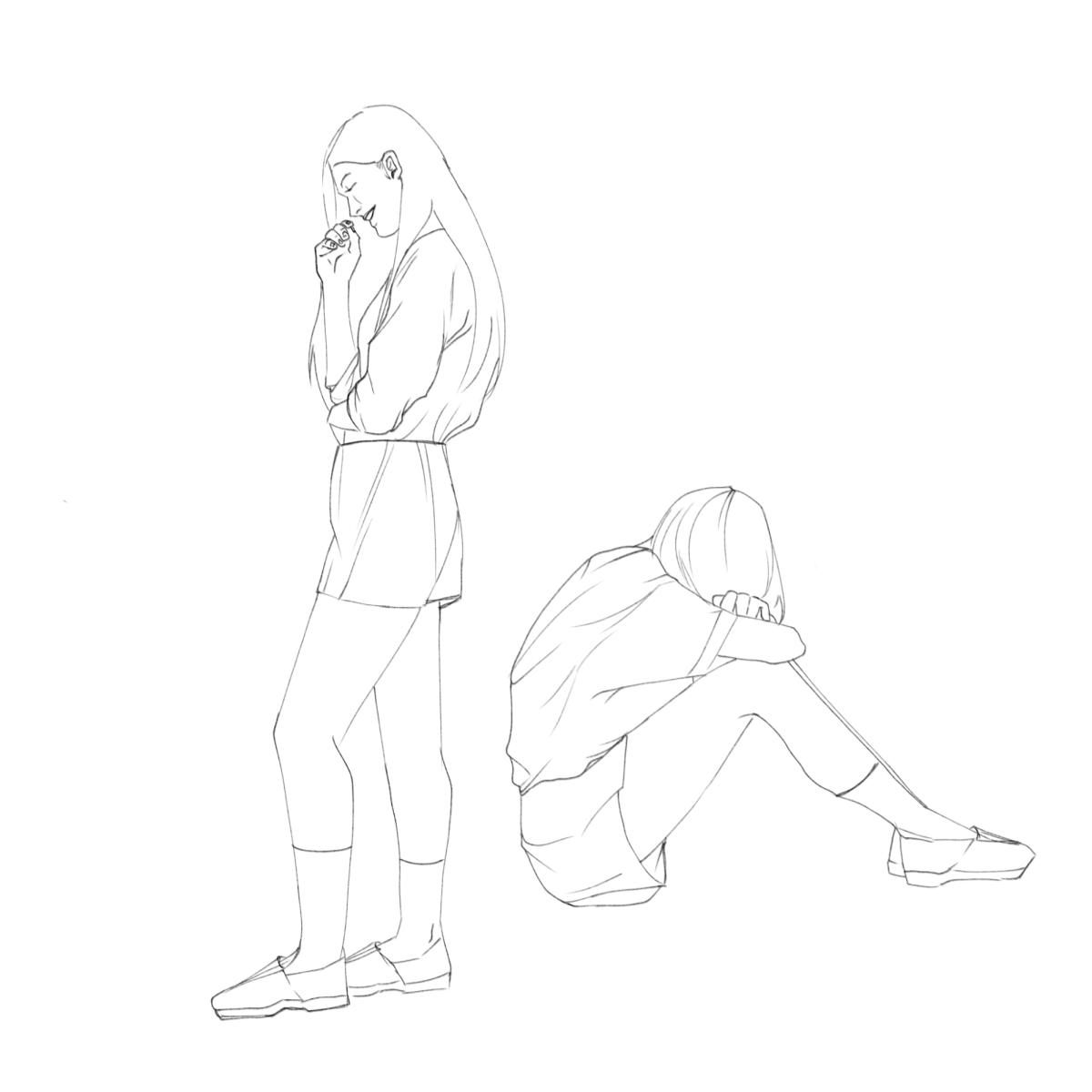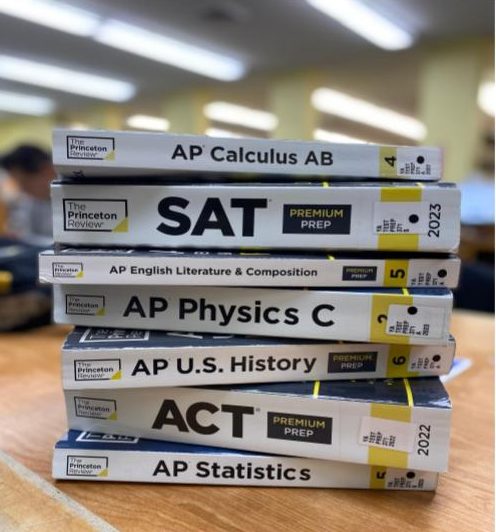
Step into any high school hallway, and you’ll hear the low hum of a student body on the verge of burnout. The real currency here isn’t knowledge—it’s sleep deprivation. In this high-stakes environment, a ‘B’ grade is treated as a total failure, and ‘free time’ is seen as a missed opportunity to get ahead. We’ve turned the adolescent experience into a four-year-long competition. By focusing solely on our ‘future selves,’ we’ve effectively checked out of our own lives, sacrificing the present moment just to polish a paper transcript.
Since elementary school, we have been conscious and hounded by reminders of how challenging high school would be. Even upon entering high school, we are expected to take and pass the SHSAT exam if we want to attend a ‘good’ high school. Once we reach high school, we must choose what we want to study, where we want to go, and how we want to live our lives. We have to worry about work and examinations in our regular classes, juggle extracurricular activities, study, and ace AP exams and the SAT, all while looking for part-time jobs to enhance our resumes in the hopes of attending even a decent college.
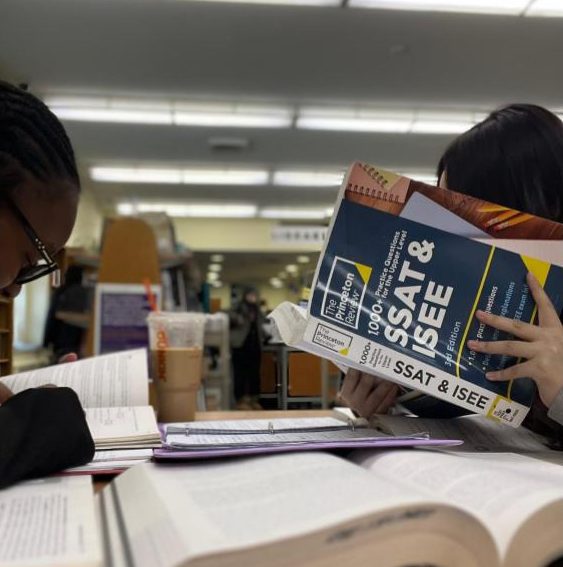
A student at FHHS, Sindi Meksi, shares her personal experience as she says, “Yeah, I find it really difficult to expect to juggle everything all at once. I have my AP exams, SATs, volunteer hours, and more to worry about while still trying to balance my social life. It’s a lot.”
Other students at FHHS, such as Stephanie Herrera, believe, “I do believe school is difficult, but I think with the right time management, it’s not that bad. By managing my time right, I can finish my school requirements while also managing time to just relax for myself.”
As demonstrated by people’s personal experiences, being unduly focused on education and devoting all of one’s time and energy to the aim of even attending an excellent college is detrimental to one’s adolescent life and overall health. It is also imperative to recognize that everyone’s academic path can vary according to their personal lives and responsibilities. Most students tend to become so preoccupied with their academic careers that they forget to enjoy themselves by having fun and arranging time to just take a break. Expecting students to scope out and grasp what they want to accomplish with their lives at such a young age poses a lot of strain on their brains.
According to SimplyPsychology, it is stated that, “The prefrontal cortex usually finishes developing around age 25. It controls higher-level functions like planning, self-control, and judgment.”
Individuals primarily utilize their prefrontal cortex for planning and preparation, but it is indispensable to realize that it does not fully mature until they reach the age of 25. When teenagers in high school are young and have not yet matured their frontal lobes, it is plausible to presume that the demands placed on them have a significant impact on their state of mind. Adolescents face additional pressure when they begin to compare their academic experiences to those of their peers. It frequently makes students feel as if they are not doing enough to attain their college aspirations, and it puts a lot of burden on them to work relentlessly in order to have a decent-looking application.
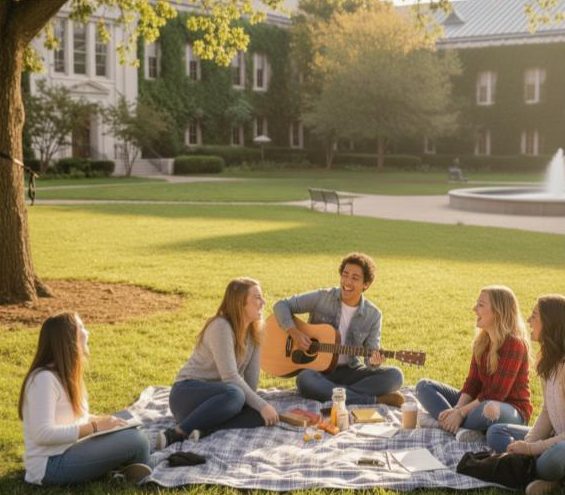
As fundamental as thinking about and planning for the future is, it is never a justification for teenagers to cease enjoying life and become overly anxious. From endless reminders from parents to comparing their journey to that of peers, teens must learn how to cope with and alleviate stress. Students must break out of this mental barrier and learn how to arrange time for themselves to just enjoy themselves. They must learn to take breaks, whether it’s hanging out with friends or engaging in a passion they’ve abandoned owing to an overwhelming quantity of schoolwork. It guarantees that students find balance in their lives and do not become burnt out.
Ultimately, the race for the highest GPA or the most impressive transcript shouldn’t come at the cost of our sanity. Peer pressure often tricks us into thinking that resting is a sign of weakness, but it is actually a necessary tool for endurance. As we navigate the intense demands of high school, let’s normalize closing the laptop, stepping away from the textbooks, and taking a deep breath. A rested student is far more capable and creative than a burnt-out one.