













We have seen it time and time again: A woman is at a bar at night. The lights are muted. The music is blaring. She and everyone around have taken so many shots—they can’t seem to think clearly. Only now has the music faded, her ears are ringing, and her mind is racing. She senses a hand looming over her, grazing her skin. Her mind meanders to a million different thoughts at once, but only one sticks. She is a woman. He is a man. Now it’s just her word against his.
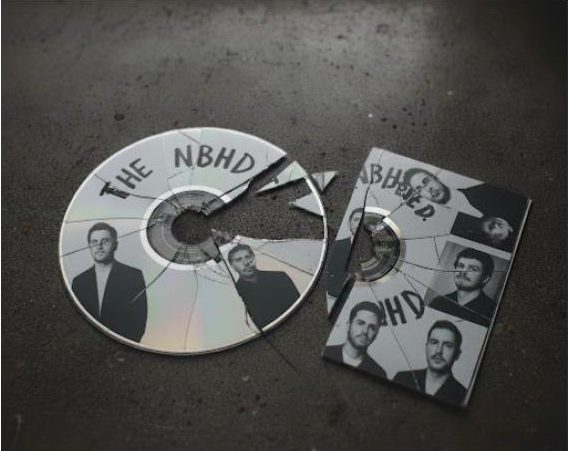
Maria Zardoya, lead singer of The Marias, spoke out in 2022 about being assaulted at a bar by Brandon Fried, The Neighbourhood’s drummer. Brandon was forced out of the band at the time due to his antics, but he is now back for their new era. The incident resurfaced as The Neighbourhood ended their hiatus and reunited in Nov. 2025 with their latest album (((((ultraSOUND))))), bringing Brandon back as their drummer despite his previous indiscretions.
This is one of many instances that pose the question of whether art should be separated from the artist.
When the art and the artist are entwined, it may be complicated to separate the two. Artists embrace genres such as music, painting, and literature to express their inner thoughts and feelings. It is realistically inevitable that artists may subconsciously project their values onto their work. While the art itself may be notable, it is futile to support the artist financially and culturally when their actions cause injustice in which is supported through their work.
In this situation, Brandon Fried’s conduct was reprehensible and indecent to Maria. According to The New York Post, after the incident had happened, Maria stated in an Instagram post, “It was one of the most uncomfortable things I’ve ever experienced. I felt an invasion of my space, privacy and body.”

Those who act in ways similar to Brandon’s inflict an extensive amount of damage and harm on others, such as Maria. It is unethical to overlook these kinds of offenses without holding Brandon accountable for his actions. Bringing Brandon back in the band is in the vein of condoning his actions and allowing listeners to assume that his actions are of the past. It should not be acceptable, as individuals will go back to listening to The Neighbourhood as before, without any consciousness of Brandon’s misconduct and how it may have emotionally disturbed Maria.
This matter is not just about one band; it’s a highly publicized example of how the music industry treats accountability compared to artistic collaboration and second chances.
Some individuals who are optimistic about change may argue that they feel that second chances are in order. According to an interview with an anonymous FHHS student, they shared, “I have been a Neighbourhood fan for a pretty long time now. I understand that his [Brandon’s] actions may have been wrong, but I think he has changed. His actions weren’t intentional, so I think he should be understood through some kind of perspective and given a second chance.”
It is natural for many devoted Neighbourhood fans to voice this opinion as a way of coping in order to continue listening to them, but Brandon’s conduct is a matter that cannot be dismissed with impunity. His reckless behavior brought havoc to another person, and he should face accountability for that, regardless of how supporters may have perceived him in previous years. After sentiments over the incident had increased and propagated throughout the internet, Brandon Fried shared his account. According to The Los Angeles Times, Brandon clarifies his misconduct and states, “They are not reflective of who I am as a person, but clearly a reflection of who I become while under the influence.”
Although it’s plausible to believe in second chances, there are particular circumstances where this is not the case. Brandon behaved in this way because he was under the influence. It is not an excuse, and it does not render it better merely because others may argue it necessarily was not deliberate. A multitude of people under the influence stumble upon themselves doing catastrophic acts that ruin themselves while damaging somebody else.
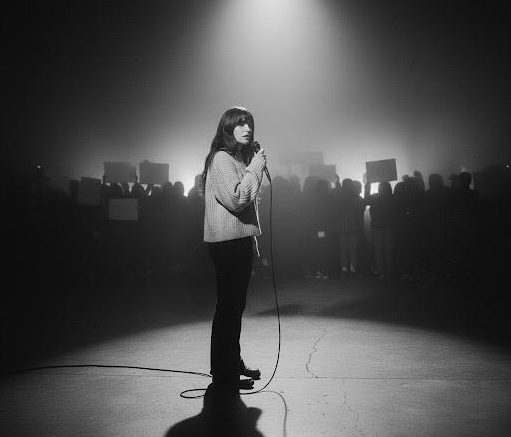
As a means of coping, to continue listening to their favorite musical artists, fans frequently present repugnant justifications for their flaws. To many, it may not seem like an enormous concern, but it is immensely impactful to the broader scope of view.
When artists of any kind are not held accountable by anyone, especially those who admire them, it enables them to presume that what they did is permissible and can be committed again, since their career and reputation remain untainted. Certain fans of The Neighbourhood are demonstrating to themselves and the entirety of the world how effortlessly atrocious acts can be forgiven through the act of exonerating Brandon, and continuing to stream their music without any sort of debate.
This is by no means the first nor the last time an instance such as this has happened. As informed individuals, all we can do is strive toward ending this downward trajectory by holding people liable. The line between the art we love and the artist we detest is not only obscure; it is the mirror in which we must examine our own ethical concessions.