










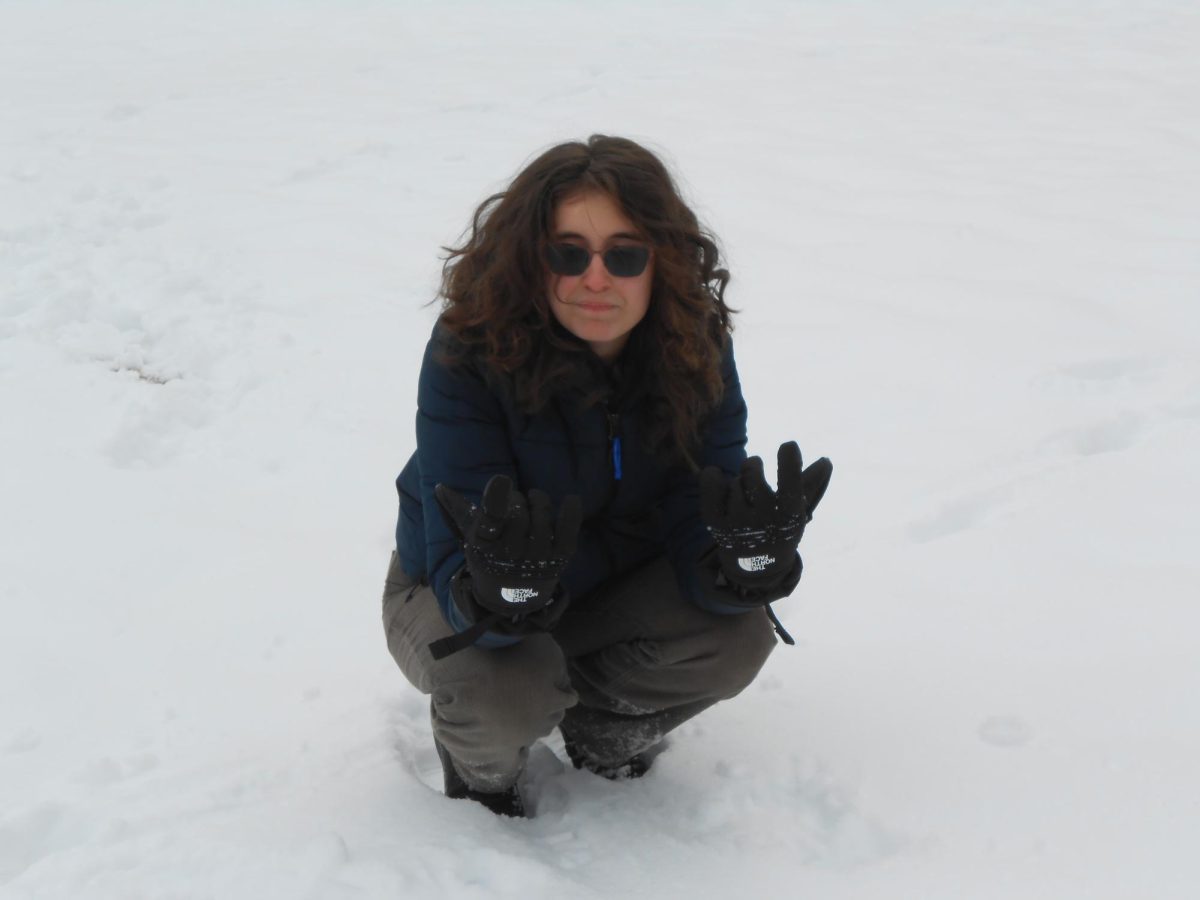

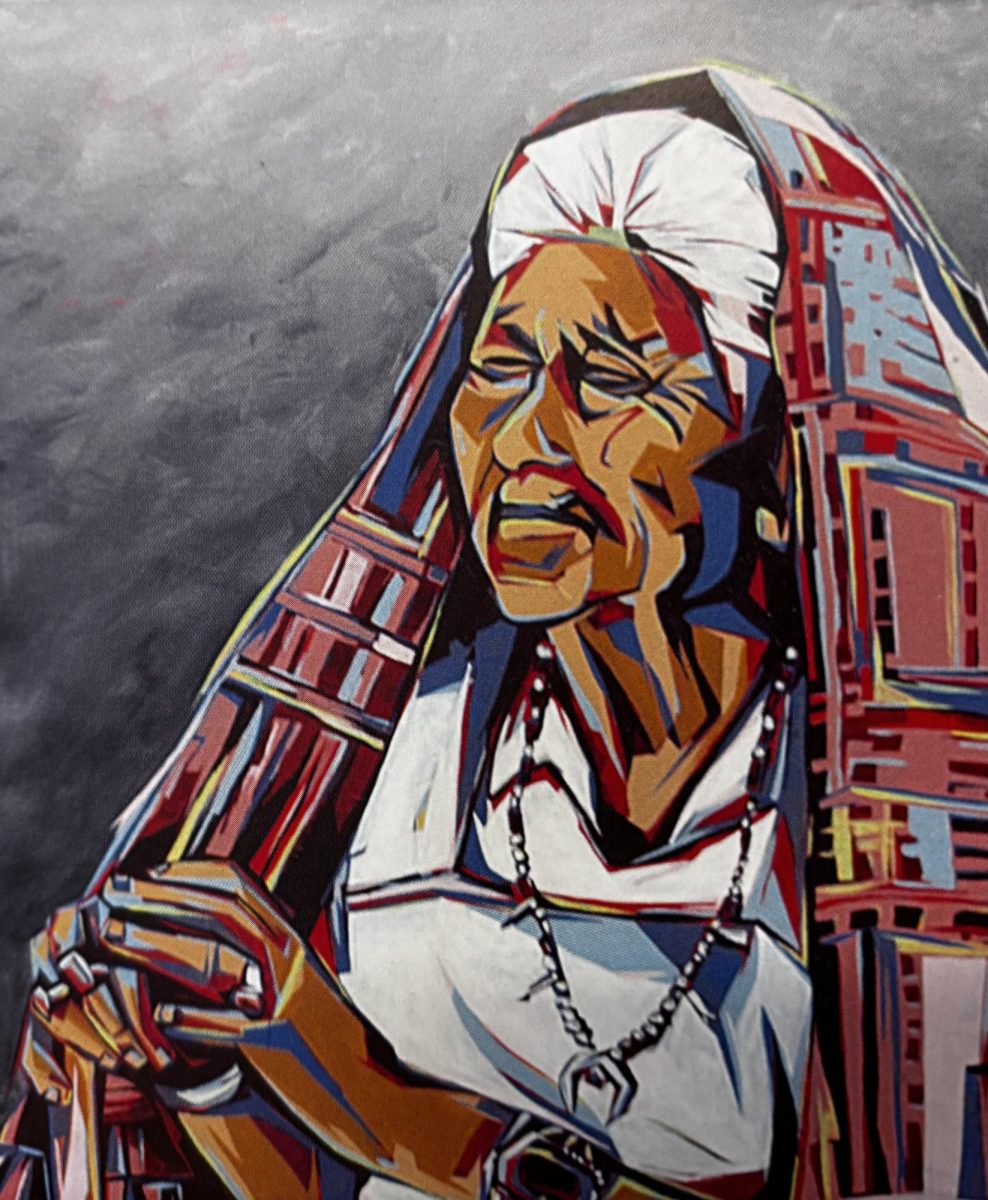
In 1990, the US officially recognized November as Indigenous American Heritage Month in which the culture, history and achievement of Native Americans are honored through recognition. There have been laws passed throughout the years to protect the natives’ but is it really working? Are indigenous people actually treated fairly or are they getting taken advantage of and systematically deprived of their rights to this day?
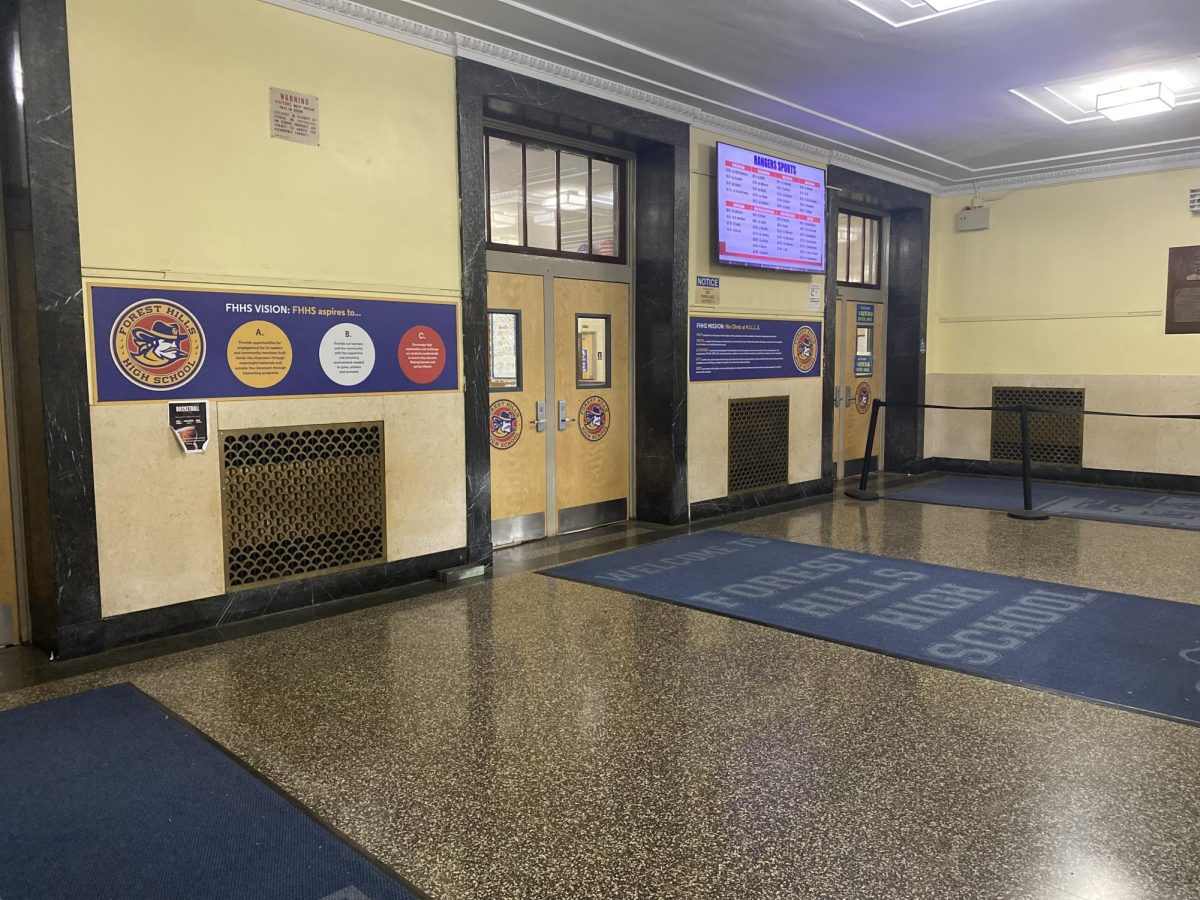
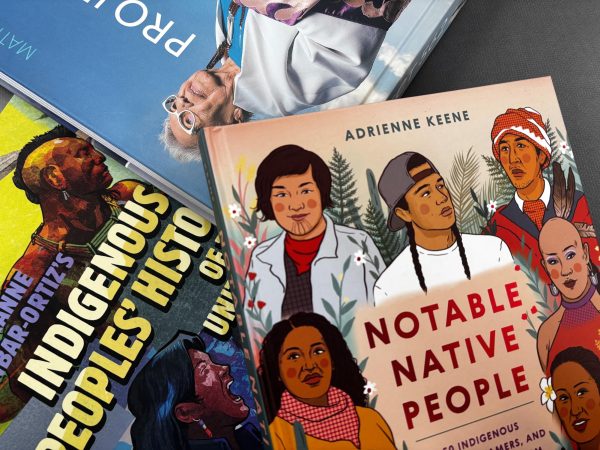
The library at FHHS dedicates a whole shelf of Indigenous American related books in the month of November in the honor of Indigenous American month.
The first ever discovery of America and Americans brought attraction to them from several territories for colonization as the greedy powers plotted and colonized America for centuries. There were many ways of how Native Americans were robbed of their rights and humanity as a nation: racial hierarchy, no basic rights, enslavement, etc. Throughout the years, one by one countries started to gain their independence and become what they are today.
After years of injustice, It’s unfortunate to say they still are being taken advantage of in different ways and forms.
Prime factor, Scientists take Indigenous people’s ancestor’s possessions and body parts to do research with no intention of returning it to the rightful tribe or owner. In the nonprofit and nonpartisan news named, Call Matters, Jeannine Pedersen-Guzmán–the tribal archives, collections, and repatriation manager for the Yuhaaviatam of San Manuel Nation in Highland, CA– acknowledges as a former curator and collection manager that although these places can be perceived as full of knowledge and as a good deed of keeping history alive, it is also the loss of closure for the families who don’t get their ancestors’ bodies to perform their ceremony of goodbye nor the memories related to the possessions hoarded by organizations.
“Ever since museums and universities were created in the U.S., Native peoples’ stories have been told by those who colonized their lands and spread harmful ideas. This led to more than 100 years of taking their heritage from them without permission. Museums and universities took hundreds of thousands of Native American human remains and millions of cultural items.” said Jeanie.
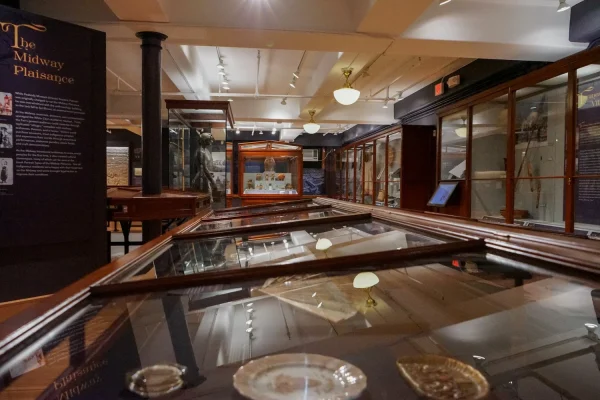
There are organizations trying to improve the quality of the laws such as the Peabody Museum of Archaeology and Ethnology has nearly removed 40 Native American and indigenous culture objects for the new Native American graves protection and repatriation act by the department of interior.
Since the dawn of time, humans have ruined, exploited the Native Americans with utter unethicalness at the cost of the weeping of others. After all this time, have we still not learned empathy? The pain etched in the pages of history? Those objects? They are memories of someone’s lost loved ones last remain.
When history teacher Mr. Meiri was asked about how we could help Indigenous peoples, he states, “I think the real question is how we unlearn that kind of dehumanizing approach and recognize indigenous people who live in our society and are part of it.” He continues saying just simply being a community together instead of thinking they are people who need our help just because they are Indigenous American, makes a difference. Simple yet ignored.
Part of being a community means helping and protecting one another in injustice which hopefully means we will stand by each other at times we should.