























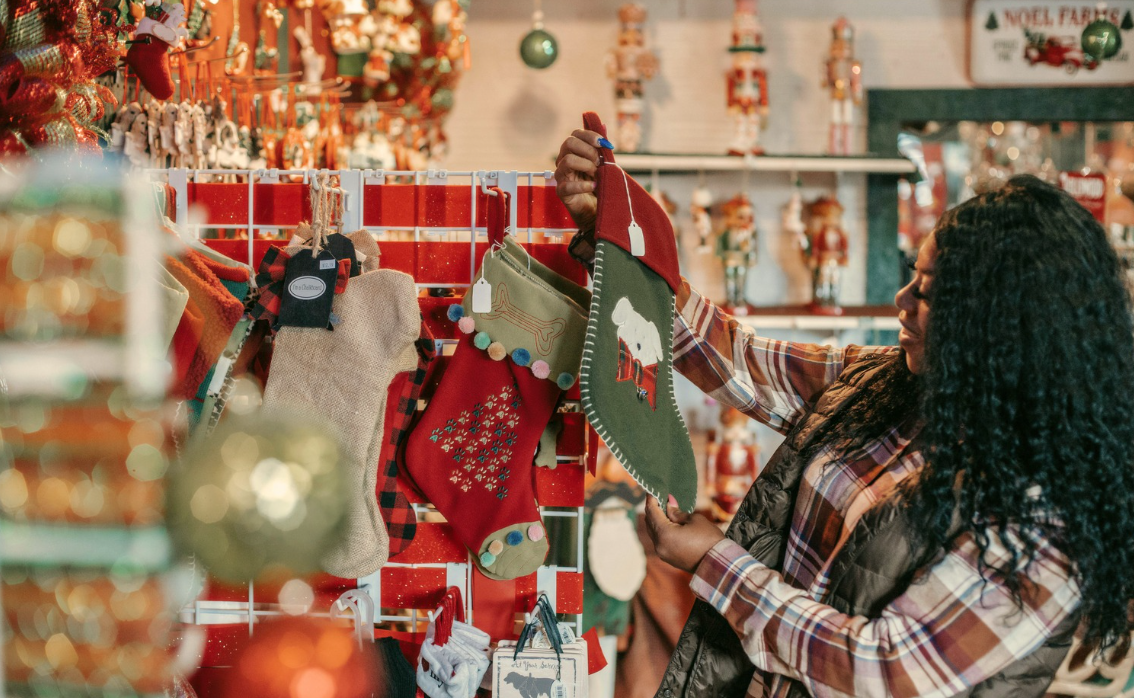
Stepping outside on a crisp morning, the air is frosty, and people hurriedly bustle from street to street, arms laden with shopping bags. Bright, decorative lights twinkle and shine, while distinct Christmas carols can be heard drifting through the streets. It’s only November, and the holiday season has already begun.
But why does it start so early?
-
Economic incentives
Each year, holiday shops open as early as mid-October to capitalize on the holiday season. As many people buy gifts and other nonessential items for loved ones, this creates an opportunity to sell more items.
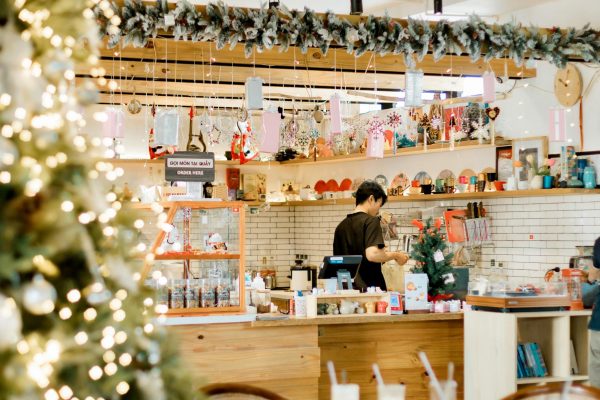
In more recent years, consumers have begun to buy items early, and retailers have responded to the increased demand by offering earlier holiday deals.
By putting up decorative items and creating holiday-based promotions, stores can encourage people to do multiple rounds of shopping and spend more.
According to the National Retail Federation, retail sales in November and December are expected to pass $1 trillion for the first time this year. In fact, the average consumer is expected to spend $890.48 per person this year.
-
Tariffs and supply chain considerations

With global supply disruptions in recent years, many stores are ordering holiday supplies early.
Supply chains aren’t the only concern for businesses, however. With new tariffs being adopted, many major retailers have pushed back Christmas product shipments in order to receive them earlier and avoid tariffs.
Record droughts and heat have also limited the supply of Christmas trees, meaning retailers will have a meager supply of trees this year. Consequently, retailers are scrambling to secure artificial trees early. This ensures they will have enough Christmas trees on time to supply the holiday shopping rush.
-
Psychological benefits

Aside from economics, people can also emotionally benefit from early Christmas decorating.
According to the ACTA, 55% of participants already decorate before Thanksgiving, leading to increased holiday spirit.
Many people also decorate with family and friends, making it a time of connection and shared happiness. On average, decorating takes around 4 hours with 62% of Americans viewing it is a meaningful family tradition. As family ornaments come out of dusty boxes and lights are hung up, the festive atmosphere signals the start of the joyous holiday season.
Not only does decorating raise people’s spirits, but studies also show positive mental health benefits associated with Christmas decorating. Believe it or not, certain hues like red, green, and blue, typical holiday colors, can evoke feelings of warmth and comfort. Research shows that these cheerful, bright colors can promote dopamine and combat feelings of isolation, leading to better mental health.
A mix of economic strategies and psychological benefits drives the early arrival of Christmas. Retailers use the season to boost sales, while many people enjoy the sense of comfort, anticipation, and nostalgia that comes with starting the festivities early. Together, these factors make the holiday spirit show up long before December actually begins.
So deck the halls with boughs of holly—but it seems everyone has done that already!