


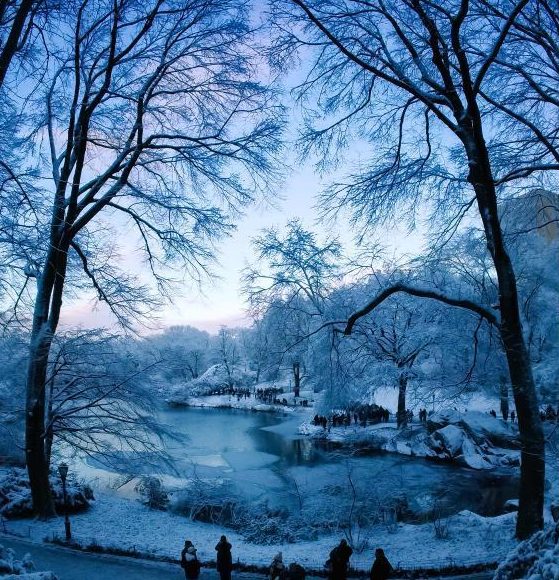
Whether you’re counting down the days to a well-deserved break, untangling a mess of glowing lights, or just looking forward to a mountain of home-cooked food, December is a month that feels a little different for everyone.
Holidays from various faiths and cultures take place in December. Christmas and Hanukkah are two widely celebrated religious holidays, whereas Kwanzaa is a more secular celebration.
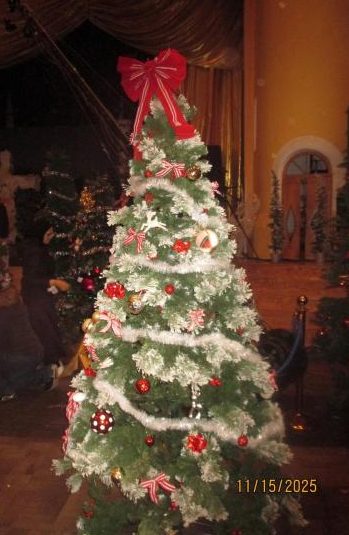
Christmas
Christmas is a joyous global celebration held on December 25th that combines secular customs from many countries with Christian religious origins. The religious aspects of Christmas commemorate the birth of Jesus Christ, the Savior of Christ.
Blossom Odita, a student at FHHS, clarifies the religious ties by stating, “I think a huge misconception is that Christmas is solely Jesus’s birthday that we celebrate, but it’s more than that, we’re celebrating the aspect that this is the day his journey began to become our holy savior.”
Gift-giving, Christmas trees, carols, wreaths and light centerpieces, and the infamous figure of Santa Claus are some of the more secular customs affiliated with Christmas through symbolic means. As a family, people often indulge in roasts, such as turkey and ham, sides, such as mashed potatoes, stuffing, cranberry sauce, and a multitude of flavored pies. Christmas festivities are filled with hope, excitement, as well as generosity among both Christians and non-Christians.
Kwanzaa
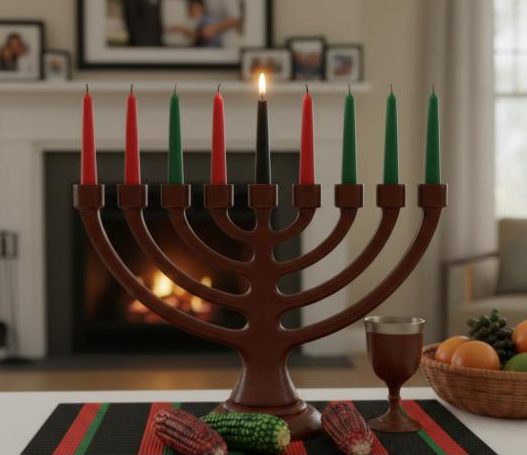
Kwanzaa is a secular celebration of African-American and Pan-African culture. It usually spans over a week in which people celebrate with loved ones their history and traditions. It is essential to create something beautiful out of memories to look back on in the future.
An anonymous student at FHHS shares, “I feel that people don’t often understand Kwanzaa’s significance. It really just is a time of love and appreciation for our culture’s ancestors, traditions, and values.”
Some of the festivities of Kwanzaa include the candle lighting of the Kinara, storytelling, cultural music, dancing, and a big feast on the sixth day. They often eat soul food like jollof rice, candied yams, and collard greens. Similar to the other holidays, it incorporates gift-giving, decorating in symbolic colors, and contributes to building cultural ties. Since it is a cultural celebration, it can be celebrated by people of all faiths, typically alongside religious holidays.
Hanukkah
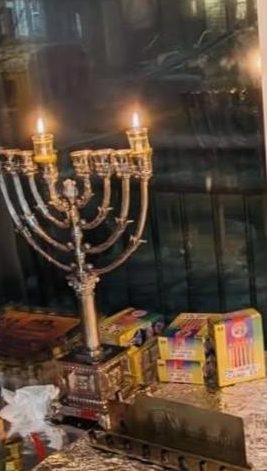
Hanukkah is an eight-day Jewish holy celebration commemorating the rededication of the Second Temple following the Maccabean Revolt. It symbolizes Jewish resilience, religious freedom, and divine intervention.
History teacher, Mr. Meiri, states, “People’s culture should be enjoyed on their own terms… I think it’s great that a lot of people know about it [Hanukkah], but I do wish people knew more about its actual significance, rather than it simply being seen as the Jewish version of Christmas.”
Hanukkah is an opportunity for people to rejoice their victory. Jewish people celebrate the occasion with a variety of traditions. They light one candle on the Menorah every night in remembrance of each night leading up to their victory. They enjoy traditional foods such as latkes, which are potato pancakes, sufganiyot, which are jelly donuts, and matzah ball soup. They play dreidel, a spinning top game, and give each other gifts such as chocolate coins.
As December winds to an end, the traditions of Christmas, Hanukkah, and Kwanzaa represent how diverse people find warmth during the winter season. While these holidays celebrate different traditions and histories, they all share common themes of gratitude, belonging, and hope, which bring people closer together.
From the glow of the Menorah to the sparkle of the Kwanzaa Kinara, the twinkle on a Christmas tree, December reminds us that even in the darkest days, communities kindle their own unique lights, proving that togetherness, no matter the name, truly brightens the world. Ultimately, embracing these varied customs enriches our school’s fabric and reminds us of the universal soul of humanity, which beams brightly during this special time of year.


